
You’re ready to start your bathroom remodel. The contractor mentions permits. You wonder if you really need them or if they’re just extra paperwork that slows everything down.
Permits aren’t bureaucratic obstacles. There are legal requirements that protect you from unsafe work, inspection failures, and serious problems when you eventually sell your home. Understanding which bathroom projects require permits in Colorado prevents costly mistakes that can halt your renovation or create legal complications years later. In this article, we’ll break down whether you need to obtain permits to proceed with your bathroom renovation project.
Key Takeaways:
- Bathroom remodels involving plumbing modifications, electrical work, or structural changes require permits under Colorado building codes
- Permits protect homeowners from unsafe work, failed inspections, and problems selling the home later
- Cosmetic updates like painting, replacing fixtures in the same location, or swapping vanities typically don’t require permits
- Local regulations vary by city across Denver Metro, including Commerce City, Arvada, Thornton, and Brighton
- Licensed remodeling contractors handle permit applications, inspections, and code compliance so homeowners avoid legal risks
What Bathroom Projects Require a Permit in Colorado?
In Colorado, a bathroom project requires a permit anytime you change or add to the home’s plumbing, electrical, or structural systems. Cosmetic updates alone usually do not require approval, but functional changes do.
Bathroom projects that typically require a permit in Colorado include:
- Moving or adding plumbing fixtures such as toilets, showers, tubs, or sinks
- Replacing or rerouting drain lines, water lines, or vents
- Adding new electrical circuits, outlets, lighting, or heated floors
- Converting a tub to a walk-in shower when plumbing locations change
- Modifying walls, framing, or structural supports
- Installing new exhaust fans that require new wiring or venting
Local rules vary by city, and Denver-area municipalities may have stricter requirements. When in doubt, checking before work starts prevents delays, fines, and inspection issues later.
Plumbing Fixtures and Water Line Modifications
Adding or moving plumbing fixtures like showers, tubs, toilets, or sinks always requires a plumbing permit in Colorado. Rerouting or upgrading supply lines and drainage pipes triggers additional permit requirements because these modifications affect your home’s water and waste systems. Trade permits must be pulled by licensed plumbers or, in limited cases, homeowners working on their primary residence.
Electrical Work and Circuit Upgrades
Any new wiring, outlets, lighting fixtures, or electrical panel upgrades require an electrical permit in Colorado. Bathrooms must meet strict GFCI (Ground Fault Circuit Interrupter) and AFCI (Arc Fault Circuit Interrupter) protection requirements that prevent electrical shock and fire hazards in moisture-prone environments
Structural Changes and Floor Plan Alterations
Removing or modifying walls, creating larger doorway openings, or reconfiguring the floor plan requires a building permit because these changes affect your home’s structural integrity. Load-bearing walls require engineering review and detailed city approval before removal because they support roof loads, upper floors, or other critical structural elements.
Any modification that changes the building’s structure, adds square footage, or alters the original floor plan falls under permit requirements.
HVAC, Ventilation, and Exhaust Fan Installation
Adding or extending ductwork for heating, cooling, or ventilation requires mechanical permitting in Colorado. Bathrooms must meet specific ventilation requirements to prevent moisture buildup, mold growth, and indoor air quality problems that damage the home and affect occupant health.
Installing a new exhaust fan that vents outdoors requires mechanical permits because the ductwork must be properly sized, insulated, and terminated. Adding a heating vent or extending HVAC to a newly finished bathroom needs permits.
What Bathroom Projects Do NOT Require a Permit?
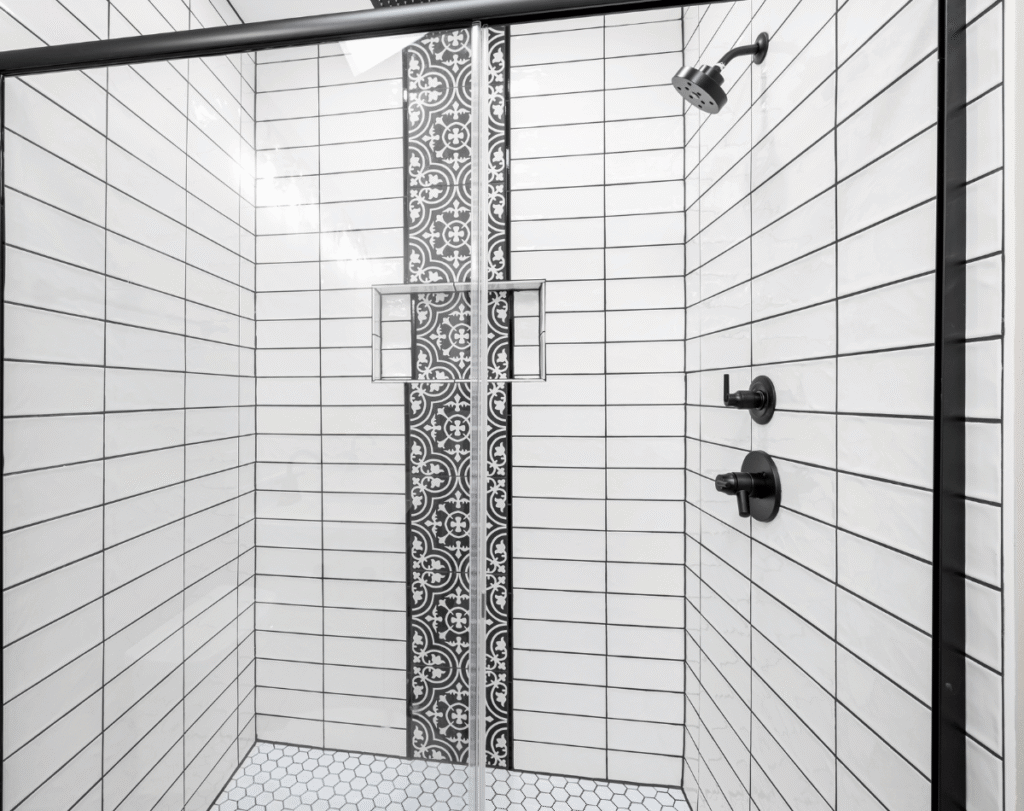
Cosmetic improvements that don’t involve system modifications typically don’t require permits in Colorado. These surface-level updates refresh bathroom appearance and functionality without affecting safety systems that building codes regulate through inspection processes.
Projects that usually do not require a permit:
- Replacing fixtures in the same location without changing plumbing
- Updating tile, flooring, paint, cabinets, or mirrors
- Swapping a vanity, toilet, or faucet without altering connections
How to Know Which Permits You Need
Determining permit requirements starts with understanding your local building department’s specific regulations and accurately defining your project scope. The permit application process varies by jurisdiction, but most Colorado cities now offer online submission options that streamline approvals.
Check Your City’s Local Building Department
Permits are issued by city or county jurisdictions, not the state of Colorado, so regulations vary between neighboring municipalities.
- Denver Community Planning and Development
- Commerce City Building Safety
- Jefferson County Building Division
Arvada Building Inspection maintains separate rules and processes. Always verify requirements with your specific jurisdiction rather than assuming neighboring city rules apply.
Review Project Scope Before You Start
Identify whether your remodel includes plumbing changes, electrical modifications, structural alterations, or HVAC work before contacting the building department.
A bathroom remodel that moves the toilet, adds recessed lighting, and removes a closet wall requires plumbing, electrical, and building permits.
Where to Get Bathroom Remodeling Permits in Colorado
City and County Building Departments
Denver, Commerce City, Arvada, Thornton, and Jefferson County each maintain separate permit systems for building, plumbing, electrical, and mechanical work.
Applications typically require basic floor plan drawings showing existing and proposed layouts, fixture locations, and contractor license details. Most jurisdictions now operate through online e-permit systems that accept digital submissions and allow online status tracking.
Trade-Specific Permit Offices
Plumbing and electrical trade permits require licensed professionals in most Colorado cities because these systems directly affect life safety. Homeowners can pull their own plumbing or electrical permits only for work performed on their primary residence, and they assume full legal responsibility for code compliance
Permit Types for Bathroom Remodeling
Bathroom remodels commonly require building, plumbing, electrical, and mechanical permits depending on project scope.
Building permits cover framing modifications and layout changes. Plumbing permits are needed for any new or relocated fixtures. Electrical permits are required for new lights, outlets, or heated floors. Mechanical permits apply to ductwork, exhaust fans, or HVAC modifications.
Risks of Doing Bathroom Work Without a Permit in Colorado
Cities can issue stop-work orders that immediately halt construction until proper permits are secured, and fines ranging from hundreds to thousands of dollars may apply. Here are four major risks to be aware of regarding unpermitted bathroom work in Colorado:
- Legal trouble and fines if your city discovers unpermitted work, including possible stop‑work orders and required tear‑outs.
- Safety hazards like hidden leaks, mold, electrical shock, or fire from work that was never inspected for code compliance.
- Insurance claim denials if damage is traced back to unpermitted bathroom plumbing or electrical changes.
- Problems selling your home, including failed inspections, lower offers, or legal disputes over undisclosed unpermitted work.
Unpermitted bathroom work must be disclosed in Colorado real estate transactions, and buyers commonly withdraw offers or request price reductions until compliance is verified.
How Superior Construction Helps You Navigate the Permit Process
Superior Construction manages permit applications, inspection scheduling, and code compliance for every bathroom remodel we complete. Our team understands Denver Metro building department requirements and submits complete applications with accurate drawings that pass plan review without delays.
We follow all Colorado bathroom remodeling requirements to prevent stop-work orders and failed inspections. Homeowners enjoy a stress-free renovation experience without managing bureaucratic processes themselves.
Key Takeaways: Understanding Bathroom Remodeling Permits in Colorado
Bathroom remodels involving plumbing modifications, electrical work, structural changes, or HVAC installations require permits in most Colorado cities. Licensed bathroom remodeling contractors streamline permit applications, reduce approval delays, and prevent inspection failures.
Knowing your jurisdiction’s specific rules prevents fines, stop-work orders, and real estate complications. Schedule a consultation with Superior Construction to discuss your bathroom remodeling project and let us handle all permit requirements from application through final approval.


