Your bathroom stopped working for you years ago. The vanity crowds the doorway. The tub-shower combo wastes space you desperately need. Cabinets overflow because there’s nowhere to put anything. Every morning feels cramped and frustrating in a layout that made sense in 1975 but fails completely now.
You’ve scrolled through renovation photos showing spacious walk-in showers and floating vanities that somehow fit more storage into less space. The problem isn’t inspiration. The problem is figuring out what actually works in a Denver bathroom with tight dimensions, old plumbing, and a budget that doesn’t include knocking down walls. Most remodeling advice ignores these real-world constraints.
These 15 bathroom remodeling ideas focus on space-saving solutions that work in actual Denver homes, not just designer showrooms. We’re covering storage strategies, layout fixes, and material choices that handle Colorado’s climate while making small bathrooms feel larger and function better for daily life.
Key Takeaways:
- Denver bathrooms require designs that handle tighter layouts, older plumbing systems, and colder climates
- Modern remodels prioritize space efficiency, accessibility, and durability over decorative-only upgrades
- Strategic storage, curbless showers, and vertical tile patterns maximize small bathroom functionality
- Planning around lifestyle needs and resale value produces better long-term outcomes than trend-chasing
- Professional contractors help avoid costly mistakes with layout, plumbing routes, and permit requirements
Why Bathroom Remodeling Looks Different in Denver Homes
Denver bathrooms present unique challenges that affect remodeling decisions. Older homes built between the 1950s and 1980s often contain tight 5×8 layouts, outdated galvanized plumbing, and minimal storage that doesn’t meet current household needs. Colorado’s climate adds another layer of complexity because cold winters require heated floors, proper ventilation to prevent moisture issues, and durable materials that withstand temperature fluctuations.
Modern bathroom remodels now prioritize space efficiency, accessibility, and long-term durability over purely decorative upgrades. Homeowners focus on walk-in showers that eliminate fall hazards, vertical storage that uses wall height instead of floor space, and tile selections that survive Denver’s hard water without constant maintenance. Planning around lifestyle requirements, resale value considerations, and climate realities produces bathrooms that function better daily while appealing to future buyers.
With all that being said, let’s take a breakdown our list of the top 15 bathroom remodeling ideas to give your Denver home a much-needed refresh.
1. Floating Vanity With Slim Depth for Small Bathrooms
Wall-mounted vanities with 18 to 21 inch depth create visible floor space that makes small bathrooms feel larger without sacrificing storage capacity. These slim-profile vanities keep essential storage accessible while improving circulation in tight layouts where every inch affects how comfortable the bathroom feels during morning routines.
Integrated outlets and concealed drawer organizers reduce countertop clutter by providing designated spaces for hair tools, makeup, and daily essentials. This approach works especially well in small bathroom remodel ideas where traditional 24-inch vanities overwhelm the space and create cramped feelings that make the room less functional.
2. Vertical Tower Vanity Storage That Uses Height Instead of Width
Tall, narrow vanity towers provide substantial storage capacity without expanding the vanity footprint across limited wall space. These vertical units typically measure 12 to 18 inches wide but extend 60 to 72 inches tall, offering more storage volume than traditional base cabinets while leaving floor area open for movement.
Closed lower cabinets hide bulk items like extra toilet paper, cleaning supplies, and towel reserves while open upper shelves keep frequently used essentials within easy reach. This configuration works particularly well in tight Denver bathrooms where wall space exists but floor space limitations prevent installing wider vanities or additional storage furniture.
3. Corner or Asymmetric Vanities for Awkward Layouts
Corner-mounted or offset vanity units improve traffic flow and create space for walk-in showers in bathrooms with non-standard dimensions. These custom configurations work around angled walls, doorways, or plumbing locations that prevent traditional centered vanity placement while maintaining adequate storage and counter space.
Simple slab fronts, Shaker cabinets, or natural wood tones align with modern Denver interior design trends that favor clean lines and organic materials. These vanity styles appear frequently in older Denver homes where original bathroom dimensions don’t accommodate standard 30, 36, or 48-inch vanity widths without blocking doors or creating awkward circulation patterns.
4. Curbless Walk-In Shower for Accessibility and Visual Space
Curbless shower enclosures eliminate thresholds that create tripping hazards while making bathrooms feel significantly larger by removing visual barriers between shower and floor areas. The continuous floor plane improves accessibility for aging-in-place planning, wheelchair users, and anyone who benefits from barrier-free bathroom design.
Fully waterproofed floors with proper slope toward linear drains support long-term durability without water damage or mold issues common in improperly installed curbless showers. This design pairs particularly well with radiant heated floors popular in Colorado homes because the heating system warms the entire bathroom floor including the shower area for comfort during cold months.
5. Corner Walk-In Shower With Single Glass Panel
One fixed frameless glass panel keeps sightlines open across the bathroom and reduces visual barriers that make small spaces feel cramped and closed-in. This minimalist approach uses a single stationary panel rather than full enclosures with doors and side panels that fragment the visual field.
Running the same ceramic tile from the main bathroom floor directly into shower walls increases perceived space by eliminating transition lines that break up the room into smaller visual sections. This design represents a strong solution for small bathroom walk-in shower ideas where maintaining open sightlines matters more than complete water containment.
6. Built-In Shower Bench and Ledge Combo
Slim wall-to-wall benches double as comfortable seating and practical storage ledges for shampoo bottles, soap, and razors without requiring floor-standing caddies. These integrated benches typically measure 12 to 18 inches deep and run the full width of one shower wall, providing stable seating while keeping products organized.
Eliminating bulky shower caddies and corner shelves reduces visual clutter inside the shower enclosure while making cleaning easier because fewer surfaces collect soap scum and water deposits. Bench framing also provides convenient space to conceal plumbing lines, shower valve bodies, and supply pipes behind waterproof tile surfaces.
7. Recessed Wall Niches Beyond the Shower
Niches placed above the vanity, beside the toilet, or in dead wall sections create flush storage without protruding into the room or consuming valuable floor space. These recessed compartments utilize the cavity between wall studs to provide 3.5 to 5.5 inches of storage depth while maintaining smooth wall surfaces.
Accent tile, mosaic tiles, or wood-look finishes inside niches add visual depth and design interest without crowding the space or overwhelming small bathrooms with excessive pattern. Strategic niche placement helps keep vanity countertops clear of bottles and products while improving organization throughout the bathroom.
8. Floating Shelves for Towel and Linen Storage
Shallow floating cabinets mounted 12 to 18 inches above the floor maintain visible floor area that makes bathrooms feel more spacious while adding vertical storage for towels, toiletries, and linens. These wall-hung units typically measure 6 to 10 inches deep, providing storage capacity without the visual weight of floor-to-ceiling cabinets.
Leaving a gap between the cabinet bottom and floor improves cleaning access and prevents the heavy, grounded appearance that makes small bathrooms feel smaller. This approach offers an effective alternative to bulky floor cabinets or rolling storage carts that consume valuable floor space in tight Denver bathroom layouts.
9. Over-Door and Behind-Door Storage Zones
Space above and behind the bathroom door remains unused in most older layouts despite offering 12 to 18 inches of potential storage depth. This overlooked area can accommodate slim shelves, hook systems, or shallow cabinets that add storage capacity without impacting door swing or blocking access.
Installing storage in these dead zones works particularly well for guest bathrooms and shared spaces where visible storage on main walls would create visual clutter. Simple hook rails hold robes and towels while narrow shelving units store extra toilet paper, cleaning supplies, or personal care items without requiring additional wall space.
10. Vertically Stacked Wall Tile to Increase Perceived Height
Vertically stacked subway tile or rectangular ceramic tile draws the eye upward and makes ceilings appear higher than they measure. This installation pattern works especially well in low-ceiling Denver homes and basement bathrooms where 7 to 7.5 foot ceiling heights benefit from vertical emphasis.
Neutral palettes featuring whites, grays, and muted greens or earth tones reflect current Colorado design preferences for organic, nature-inspired interiors. Vertical tile patterns create upward movement without bold colors or busy patterns that overwhelm small spaces.
11. Floor-to-Wall Tile Wrap for Cleaner Sightlines
Running the same tile from floor surfaces up one feature wall reduces visual breaks that fragment small bathrooms into disconnected sections. This continuous tile treatment typically extends from floor level to 48 to 72 inches up one wall, creating a unified backdrop that makes the space feel more cohesive.
Stone-look porcelain tiles reference Colorado’s mountain landscape textures while remaining low-maintenance compared to natural stone that requires sealing and careful cleaning. This design approach helps small bathrooms feel more modern and intentional rather than pieced together with mismatched materials.
12. Patterned Tile Accents in Niches or Single Bands
Concentrating decorative pattern in recessed niches or a single vertical or horizontal band prevents visual overload while adding personality and design interest. This restrained approach allows bold geometric patterns, colorful mosaics, or textured tiles to create focal points without overwhelming small spaces.
Strategic pattern placement adds character to otherwise neutral bathrooms without complicating daily cleaning or long-term maintenance. This design strategy offers a practical compromise between stark white minimalism and bold pattern-heavy designs that can feel dated quickly.
13. Full-Width, Wall-to-Wall Mirrors for Natural Light
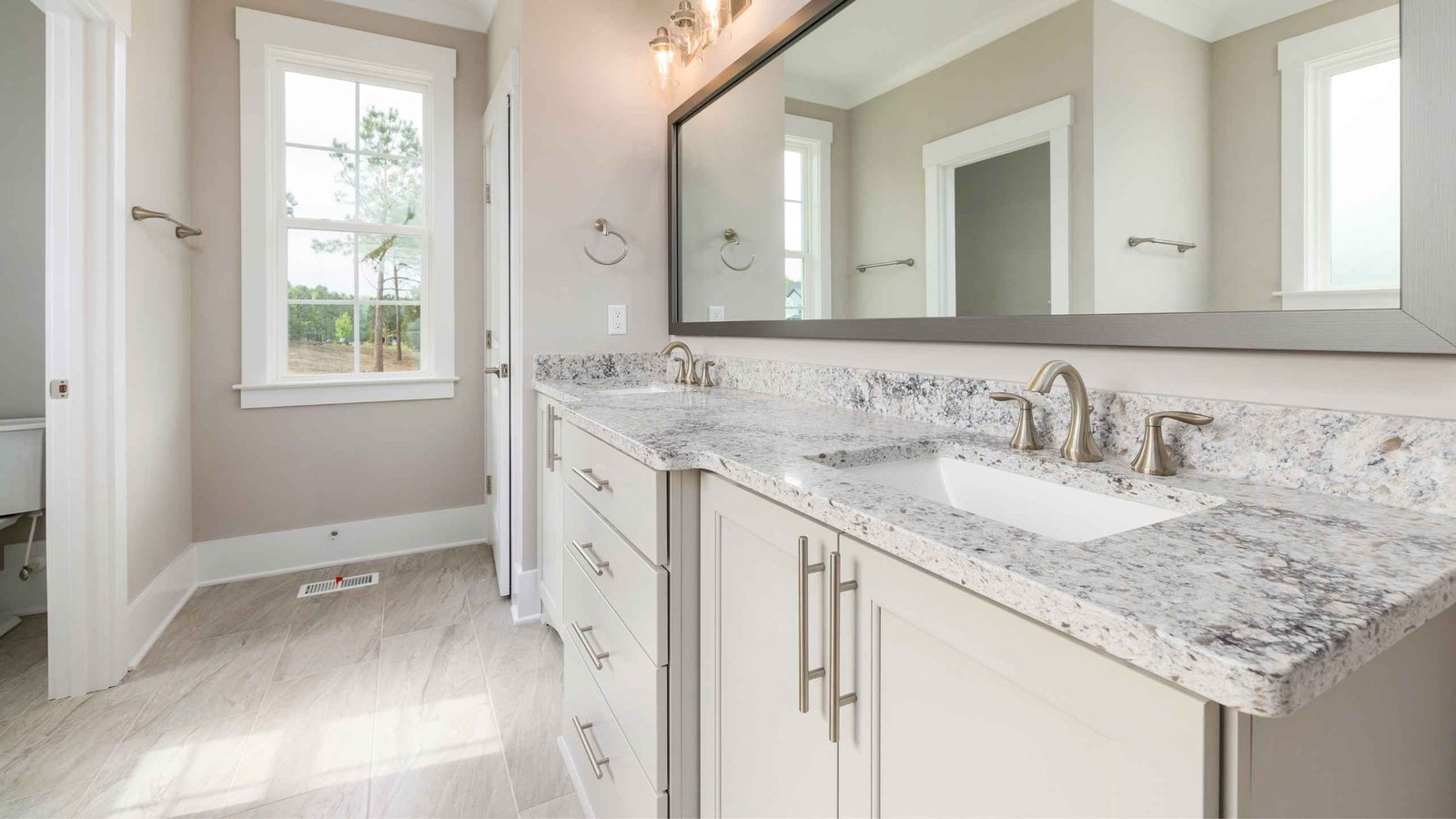
Mirrors extending from wall to wall and positioned close to the ceiling reflect more natural and artificial light throughout the bathroom while visually doubling the perceived space. These expansive mirrors create dramatic impact in small bathrooms where traditional 24 to 36-inch vanity mirrors leave significant wall space unused.
Integrated LED backlighting improves task lighting visibility for grooming without creating harsh shadows on faces. Full-width mirrors represent a reliable solution for small bathroom mirror ideas that maximize light reflection and spatial perception without requiring expensive renovations or layout changes.
14. Recessed Mirrored Medicine Cabinets for Hidden Storage
Medicine cabinets recessed between wall studs provide 3.5 to 5.5 inches of storage depth without protruding into the room or reducing the visual size of the bathroom. These built-in units eliminate the boxy appearance of surface-mounted cabinets while keeping medications, toiletries, and personal care items organized and accessible.
Multiple recessed cabinets can sit behind one continuous mirror surface that maintains clean design lines while dramatically increasing storage capacity. This approach keeps bathroom design minimalist and uncluttered while improving practical organization for daily routines.
15. Frameless Glass Shower Doors and Strategic Mirror Placement
Frameless pivot or sliding shower doors reduce hardware clutter and visual barriers that make small bathrooms feel cramped and busy. The minimal framing allows more light transmission and maintains open sightlines that help tight spaces feel more comfortable and spacious.
Positioning mirrors to reflect the longest available sightline makes narrow bathrooms feel wider and more expansive than their actual dimensions. This strategic placement keeps visual focus on tile work, fixture finishes, and overall design rather than chunky door frames and heavy hardware that date bathroom aesthetics.
How to Plan Your Bathroom Remodel Idea
A bathroom remodel runs smoother when decisions are made early and timelines reflect how construction really works. Clear planning reduces delays, limits cost overruns, and keeps the project aligned with how the space is used every day.
- Finalize the bathroom design, plumbing fixture locations, tile selections, and lighting options before demolition begins to avoid mid-project changes that increase cost and extend timelines.
- Confirm material availability early so backorders do not pause installation phases or force last-minute substitutions.
- Understand how plumbing reroutes, electrical upgrades, and inspection scheduling in Denver affect renovation timelines and household disruption.
Common Bathroom Remodeling Mistakes to Avoid
Most bathroom remodel problems are preventable and usually come from rushed decisions or unclear priorities.
- Choosing style before layout, storage, and plumbing fixtures often leads to bathrooms that look good but do not function well in daily use, especially when critical elements are left unchanged to save time.
- Underestimating permit and inspection timelines can delay progress when plumbing, electrical lines, or waterproofing work cannot move forward without city approval, particularly near a property line or shared wall.
- Focusing on surface details while overlooking finish quality, such as poor caulking or using the wrong caulking tool, results in maintenance issues that become visible within months rather than years.
Bathroom Remodeling in Denver Colorado Starts With the Right Plan
Modern bathroom remodeling focuses on space optimization, traffic flow, and long-term usability rather than decorative appearance alone. Strategic planning produces bathrooms that function better for years while maintaining appeal to future buyers if homeowners eventually sell.
Working with experienced general contractors helps avoid costly design mistakes including improper shower slopes, inadequate waterproofing, and fixture placements that violate Denver building codes. A clear scope defined before demolition leads to smoother construction phases and better final outcomes.
Book a Free Bathroom Remodeling Idea Consultation With Superior Construction
Planning a bathroom remodel becomes easier with clear guidance and experienced execution from contractors who understand Denver’s unique requirements. Superior Construction & Home Renovations helps Denver homeowners design bathrooms that maximize space, improve function, and increase home value through strategic remodeling decisions.
Explore our bathroom remodeling services in Denver, Colorado, and book a free consultation to review your layout, discuss ideas, and establish a realistic timeline for your project.