If you are asking how long does it take to renovate a bathroom, you are not alone. This is one of the first questions homeowners ask, and for good reason.
The short answer is that most bathroom renovations take between 2 and 6 weeks, but the real answer depends on the size of the bathroom, the scope of work, and how much is changing once demolition begins.
How Long Does It Take to Renovate a Small Bathroom or 5×8 Bathroom?
A small bathroom or standard 5×8 bathroom remodel typically takes 2 to 4 weeks for a full renovation. This includes demolition, plumbing updates, waterproofing, tile installation, and fixture installation.
Typical size: ~ 25–40 sq ft or small full bathroom.
Common range:
2–4 weeks total if it’s a full renovation, including floor, shower/tub, and fixtures.
Typical phases:
- Demo: ~1–2 days
- Plumbing/rough-in: ~2–5 days
- Tile work + waterproofing: ~5–7 days
- Fixtures + finishes: ~3–5 days
Medium Bathroom Remodel Timeline
A medium-sized bathroom renovation usually takes 3 to 6 weeks. This category includes most standard full bathrooms where flooring, a shower or tub, a vanity, and fixtures are all replaced.
Typical size: ~40–70 sq ft (standard full bath).
Typical timeframe:
3–6 weeks depending on layout changes and finishes. Timelines move toward the longer end of the range when:
- Plumbing fixtures are relocated
- Custom tile patterns are used
- Electrical upgrades are added
Coordination between plumbers, electricians, and tile installers becomes the pacing factor. Each trade must complete work in sequence, and inspections often sit between steps.
What extends this timeframe:
✔ Relocating plumbing or redoing electrical work
✔ Custom tile patterns or large feature walls
✔ Complex cabinetry or countertop installations
Large Bathroom / Master Bathroom
Master bathroom renovations typically take 5 to 8 weeks or longer, especially when the project includes dual vanities, a large walk-in shower, or a soaking tub.
These bathrooms involve more surface area, more plumbing connections, and more finish work.
Typical size: 70+ sq ft or suites with dual vanities, tubs, bigger showers.
Typical timeframe:
5–8+ weeks is common for full gut remodels.
This includes rough-in plumbing, electrical, custom tile/stones, and longer finish phases.
Master & high-end suites can stretch further if there’s luxury material lead time or custom features (e.g., steam shower, built-ins).
Luxury / High-End Bathroom Renovations
Typical size & features:
Large suites, spa baths, steam showers, custom cabinetry, advanced features like heated floors, smart fixtures.
Timeframe:
8–12+ weeks is common, sometimes longer.
Why so long?
👉 Permits (can take weeks)
👉 Custom materials lead times
👉 More trades & inspections
👉 Complex build workflows
Even small delays in luxury materials (e.g., imported tile or fixtures) can extend the schedule significantly.
Typical Bathroom Remodel Phases and Which Ones Take the Longest
Most bathroom remodels follow a similar sequence, but the time spent in each phase varies widely depending on scope, city requirements, and how much planning happens upfront. Homeowners often assume demolition or construction is the slow part. In reality, the longest phases usually involve planning, inspections, and finishes that cannot be rushed.
Understanding this progression makes it easier to see where time is actually spent and why a bathroom remodel timeline expands even when work appears active.
Planning, Design, and Permits
This phase often takes 1 to 8 weeks or more, and much of it happens before demolition begins. It includes creating a clear design plan, selecting materials, ordering fixtures, and applying for city permits. Light fixtures, tile, vanities, and plumbing fixtures should all be chosen here, not mid-project.
Planning is frequently overlooked, yet it has the biggest impact on the overall timeline. In cities with stricter building departments, permit approvals alone can take weeks. Starting construction without finalized selections almost always leads to pauses later when materials are missing or inspections cannot proceed.
Demolition
Demolition is usually the fastest phase, often taking 1 to 3 days. Old fixtures, flooring, and wall finishes are removed so trades can access plumbing and electrical systems.
Delays at this stage usually come from surprises. Water damage, mold, outdated plumbing, or structural issues sometimes appear once walls are opened. When that happens, demolition pauses while a plan is made to fix the problem correctly before moving forward.
Plumbing and Electrical Rough-In
Rough-in work can take anywhere from 3 days to 4 weeks, making it one of the most unpredictable phases. This is where drains, water lines, valves, wiring, and circuits are installed or relocated.
If fixtures stay in their original locations, this phase moves faster. When layouts change or new features are added, inspections become the pacing factor. City inspectors must approve plumbing and electrical work before walls can be closed. Scheduling those inspections often adds wait time that cannot be shortened.
Tile and Waterproofing
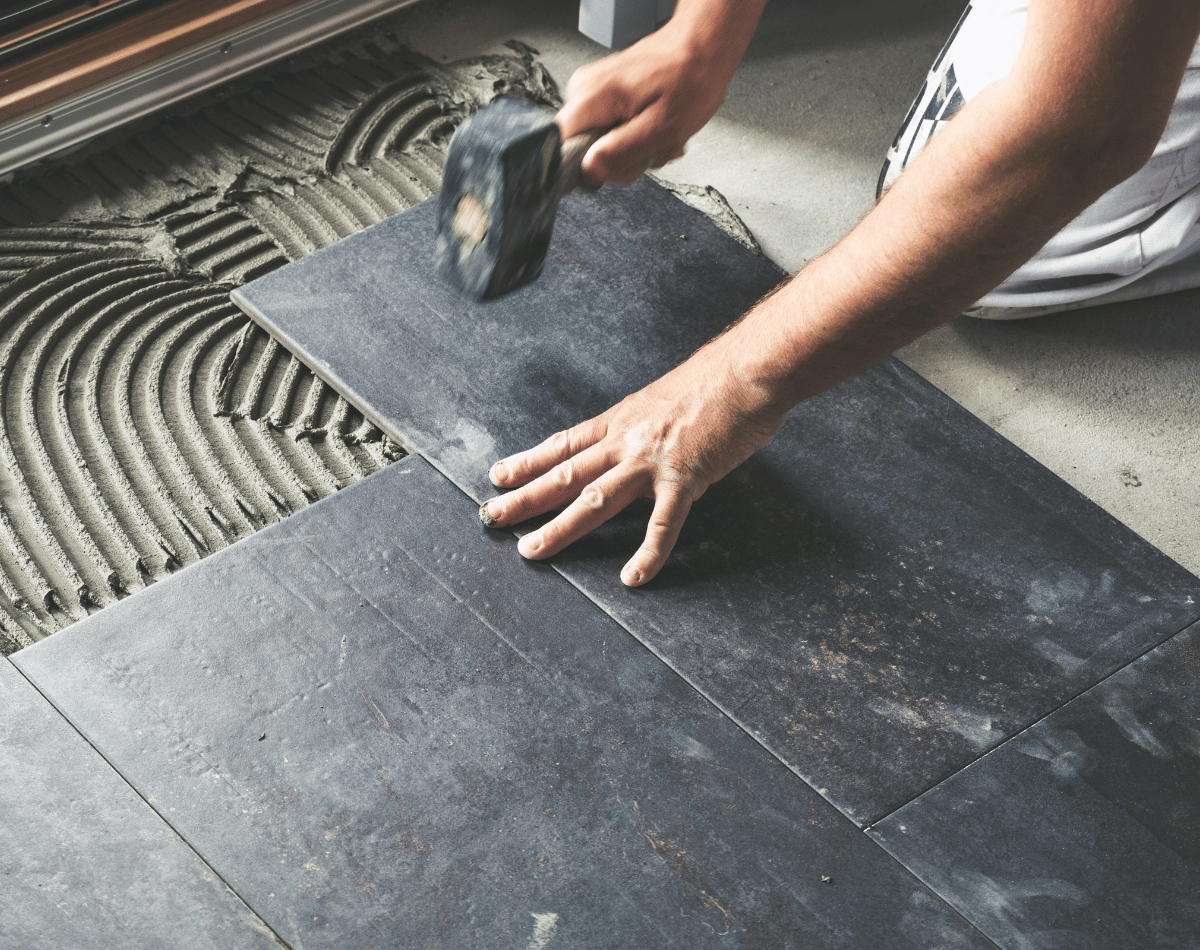
Tile and waterproofing typically take 5 to 14 days or longer, depending on bathroom size and tile complexity. This phase often feels slow because progress happens in stages. Waterproofing systems require drying time, tile must set before grouting, and sealers need time to cure.
Large-format tile, stone, niches, benches, and custom patterns add time. This phase is one of the longest blocks of work in most bathroom renovations, but rushing it risks leaks and long-term damage.
Fixture and Cabinet Installation
Once surfaces are complete, fixture and cabinet installation usually takes 3 to 7 days. This includes vanities, toilets, tubs, shower hardware, mirrors, and light fixtures.
Delays here often come from late deliveries or back-ordered custom pieces. Even a missing faucet or vanity top can stop progress until the item arrives.
Finishing Touches and Final Inspections
The final phase often takes 1 to 2 weeks and includes painting, trim work, hardware installation, and final inspections. Contractors also complete a punch list during this time, addressing small adjustments and ensuring everything works properly.
City inspections must be passed before the bathroom is officially complete. A final punch list walkthrough ensures details like alignment, caulking, lighting function, and fixture performance meet expectations. This phase may seem minor, but it is essential for a clean handoff and long-term satisfaction.
Quick Bathroom Renovation Timeline Chart
| Bathroom Category | Typical Timeline |
|---|---|
| Small bathroom / powder room | 2–4 weeks |
| Medium bathroom | 3–6 weeks |
| Large / master bathroom | 5–8+ weeks |
| Luxury high-end bathroom | 8–12+ weeks |
(These ranges assume full renovations. Minor cosmetic updates or paint-only jobs can be significantly shorter.)
What Activities Delay Projects Most
Most bathroom remodel delays are not random. They usually come from a handful of predictable activities that homeowners do not see until the walls are opened. Knowing where timelines stretch helps set realistic expectations and reduces stress once construction starts.
Plumbing and Electrical Layout Changes
Plumbing and electrical work cause more delays than almost anything else. Moving a drain, shifting a shower valve, relocating a toilet, or adding new circuits requires additional rough-in work and inspections. Each inspection must be scheduled and approved before the next phase can continue. Even a small layout change can pause progress for several days while inspectors are booked and corrections are made.
This is why bathrooms that keep the existing layout almost always move faster than bathrooms that change it.
Tile and Waterproofing Work
Tile work takes time because it cannot be rushed. Waterproofing systems require specific drying periods between steps, and tile often needs multiple days for setting and curing before grout and sealers can be applied. Stone tile and custom patterns add even more time.
In many real-world projects, tile and waterproofing become the longest single phase of the remodel. This surprises homeowners who expect demolition or framing to be the slow part.
Permits and Inspections
Permit timelines vary by city, and inspection schedules often depend on availability rather than urgency. Some cities approve permits quickly, while others take weeks. Once work begins, inspections must happen in sequence. Plumbing and electrical approvals must occur before walls are closed, which can stall progress if an inspector is unavailable.
Permits are not optional in most full bathroom renovations, especially when plumbing or electrical systems change.
Material Lead Times
Materials delay projects more often than workmanship. Backordered tile, custom vanities, specialty glass, and imported fixtures regularly push schedules beyond original estimates. This is especially common in higher-end bathrooms where finishes are selected for appearance rather than availability.
Ordering materials early and confirming delivery dates before demolition helps reduce this risk.
Unexpected Conditions Behind the Walls
Hidden water damage, mold, outdated plumbing, or structural issues are often discovered during demolition. Once uncovered, these issues must be addressed before the renovation can continue. Repairs add time, but skipping them creates long-term problems that cost far more later.
Unexpected conditions are one of the biggest reasons timelines change mid-project, even with careful planning.
When Is the Best Time to Renovate a Bathroom?
Timing plays a bigger role in bathroom renovations than most homeowners realize. The season you choose affects contractor availability, permit timelines, and material delivery.
Best Time of Year to Renovate a Bathroom
| Season | Demand & Scheduling | Typical Cost Pressure from Demand* | Why this season matters for cost & timing |
|---|---|---|---|
| Late Winter (Feb–Mar) | Easier to schedule; contractors often have gaps after holiday slowdowns. | Slightly lower or more negotiable labor rates; fewer rush premiums. | Better availability can reduce wait times before work starts and may give you more leverage on bids. |
| Early Spring (Apr–May) | Still relatively good availability; inspections often move faster before summer rush. | Moderate pricing; materials and labor not yet at peak demand. | Shorter waits between phases (demo, rough-in, inspections) can reduce overall calendar time. |
| Summer (Jun–Aug) | Peak remodeling season; contractors’ schedules are tight and book out far in advance. | Higher labor bids are common due to heavy demand and overtime. | Longer lead times before start dates and between trades can stretch the project schedule. |
| Fall (Sep–Oct) | Remains a busy season as owners rush to finish projects before the holidays. | Elevated costs similar to summer, especially for in-demand pros. | Tight calendars increase risk of gaps between phases and rescheduling fees. |
| Holiday Periods (Nov–Jan) | Availability drops; many crews and suppliers take time off or run reduced hours. | Costs can rise from holiday premiums and expedited shipping. | Supplier closures and limited labor often cause delays in permitting, deliveries, and inspections. |
When to Schedule Your Bathroom Remodel
Planning should start 6 to 8 weeks before you want construction to begin. This allows time to finalize design decisions, order materials, apply for permits, and confirm schedules with trades.
Early planning reduces rushed decisions and lowers the risk of downtime during construction. It also gives homeowners more control over how the renovation fits into daily life, especially in homes with only one bathroom.
How to Plan a Bathroom Renovation Timeline Without Stress
A smoother bathroom renovation starts long before demolition. Clear planning and communication make timelines more predictable.
Finalize all design decisions and materials before work begins. Changes during construction almost always cause delays. Ask for a phase-by-phase schedule rather than a single completion date so you understand how the project will progress. Build buffer time into expectations, especially around inspections and material delivery. Most importantly, choose a contractor who explains timelines clearly and realistically instead of promising speed.
Bathroom renovations go more smoothly when expectations match reality. Planning for the slow parts upfront makes the entire process feel faster once it begins.
Bathroom Renovation Timeline Planning With Superior Construction
A successful bathroom remodeling project starts with realistic expectations and clear planning. Superior Construction assigns a dedicated project manager to oversee scheduling, inspections, and trade coordination, ensuring predictable timelines. As experienced general contractors in Denver, CO, we plan every phase, from permits and materials to final punch list items.
Schedule a consultation with us to review your bathroom size, scope, and timeline before construction begins.