Ever tell a contractor you want to “redo” your bathroom or kitchen and suddenly hear the words renovation and remodel used like they mean the same thing?
On TV shows, blogs, and even quotes, these terms get mixed so often that it is hard to know what you are actually signing up for. In simple terms, a renovation updates and refreshes what you already have, while a remodel changes how the space works, flows, or is laid out.
Key Takeaways
- Renovation updates what exists, focusing on cosmetic improvements without changing the layout or structure.
- Remodeling changes how a space functions, often involving layout changes, plumbing, or electrical work.
- The right choice depends on goals, budget, and disruption, not just how “new” you want the space to feel.
In this guide, we break down the real difference in plain language, compare costs, timelines, and disruption, and use real bathroom and kitchen examples to help you decide what makes the most sense for your home and budget.
What’s Remodeling?
Remodeling means changing how a space looks, functions, or flows. A remodel often involves altering the floor plan, updating plumbing fixtures, or reworking electrical systems to support a new layout. In a bathroom remodel, this could mean converting a tub into a walk-in shower or moving walls to gain space.
Remodeling goes beyond surface-level cosmetic changes and usually require structural alterations, permits, and compliance with building codes.
What’s Renovation?
Renovation focuses on refreshing and updating what is already there without changing the layout or structure. This type of renovation project typically includes cosmetic updates like new flooring, paint, fixtures, or cabinetry.
Renovations are common in home improvement projects where the space functions well but looks dated. Because the floor plan and systems stay mostly unchanged, renovations tend to be faster and less disruptive.
What’s Restoration?
Restoration is about bringing a space back to its original condition, often for historical or real estate preservation reasons. This process may involve repairing original materials, restoring finishes, or updating systems carefully so they match the original design.
Restorations often prioritize authenticity over modern interior design trends. They can still require updates to plumbing fixtures or electrical wiring to meet current building codes.
Renovation vs. Remodeling vs. Restoration: When Each Is Appropriate
Difference 1: Scope of Change
Renovation focuses on cosmetic updates within the existing layout. Remodeling changes how the space works, often involving structural changes or reconfiguring rooms. Restoration aims to preserve or return original features rather than modernize them.
Difference 2: Structural Impact
Remodeling may involve knocking down walls, adjusting load-bearing walls, or changing room sizes. Renovations avoid structural work and focus on finishes. Restorations typically avoid structural changes unless required for safety or code compliance.
Difference 3: Purpose and Outcome
Renovations improve appearance and comfort. Remodels improve function, flow, and long-term usability. Restorations protect historical value and architectural character while still supporting modern living needs.
Remodeling vs. Renovation vs. Restoration Costs Compared
Remodels
Remodels are typically the most expensive category because they change how a space functions, often involving multiple trades, permits, and inspections. In Denver, a full bathroom remodel can range from about $8,000 to $20,000 for a basic update and move up to $25,000 to $75,000 or more for mid-range to luxury projects that include custom elements like tiled showers or heated floors.
Nationally, bathroom remodels average about $70 to $250 per square foot and often run $10,000 to $30,000 for standard jobs, with luxury options exceeding $80,000 depending on scope and finishes.
Remodel costs rise quickly when structural changes, plumbing fixture relocations, or electrical system upgrades are part of the plan. That’s because framing, rough-in work, and inspections add time and complexity.
Renovations
Renovations are more budget-friendly since they work within the existing layout and avoid major alterations. A simple bathroom renovation that updates fixtures, flooring, paint, and lighting typically runs $5,000 to $15,000 in many markets.
Renovations do not usually involve structural changes, so fewer trades are needed and there are fewer unknowns behind walls. Because of this, costs are easier to predict and timelines are shorter. Many homes benefit from renovating outdated finishes without a full teardown, which keeps both cost and disruption lower.
Restorations
Restoration costs vary widely based on the age of the home, material rarity, and the level of authenticity required. Restoring a historic bathroom or kitchen might involve custom millwork, specialty materials that match original details, and careful repair work rather than standard replacements. This can make restoration more expensive per hour of labor, though costs are less predictable because each feature may require individual repair rather than bulk replacement.
Unlike renovation and remodel, restoration focuses on preserving original character, which can mean sourcing period-correct materials and craftsmanship. These factors combine with plumbing, electrical, and structural upgrades to bring a space back to code while maintaining its original design.
Process and Timeline: Renovation vs. Remodel Step by Step
Renovation Process Overview
A renovation usually starts with an initial consultation and scope definition. Next comes product selection, such as tile, fixtures, and countertops, followed by scheduling and ordering materials.
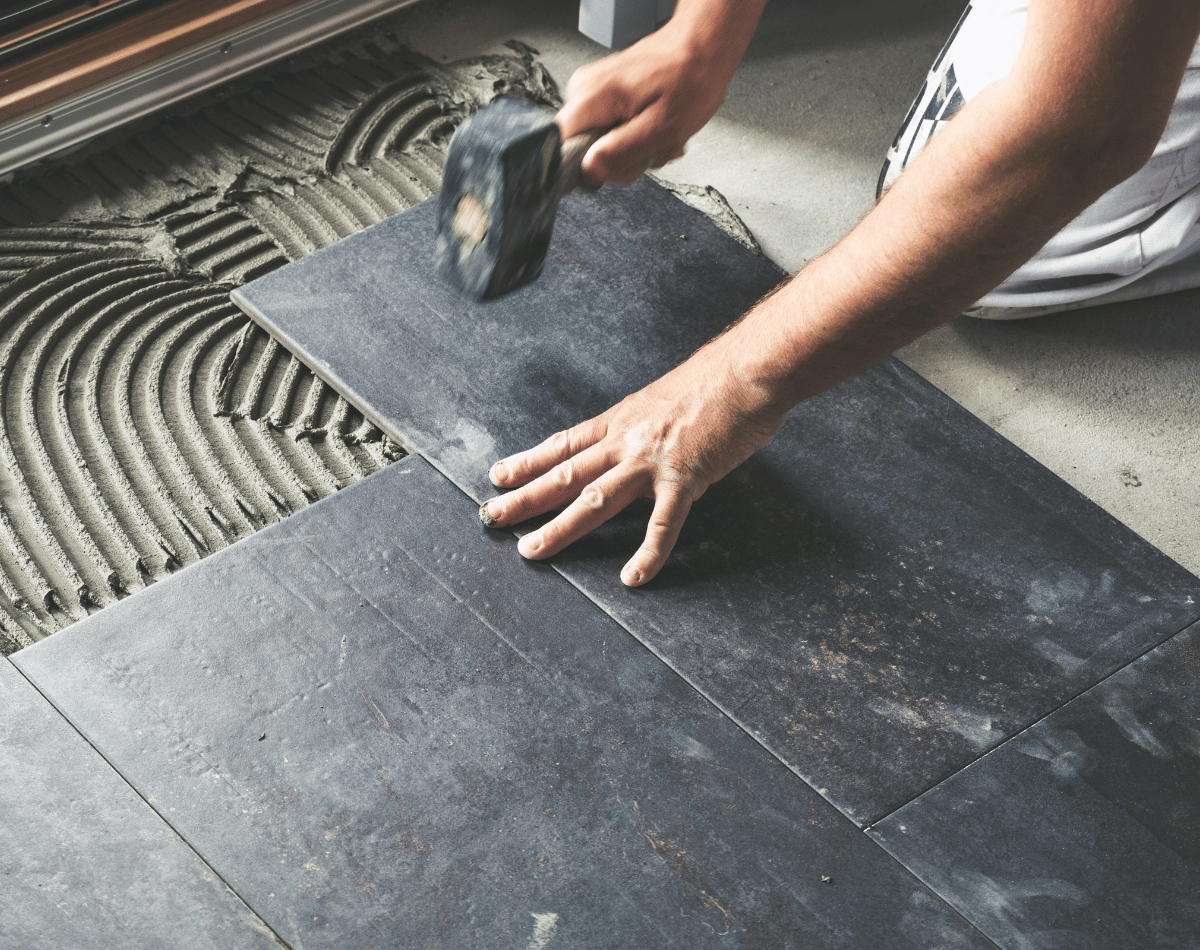
Installation may include light demolition but is typically straightforward. Renovation timelines are shorter with fewer unknowns and less disruption.
Remodel Process Overview
Remodeling begins with concept design and layout planning. This phase may include engineering review, permit applications, and coordination with inspectors.
Construction involves demolition, rough plumbing and electrical work, inspections, drywall, and finishes. Timelines are longer due to more trades, inspections, and potential surprises behind walls.
When to Call a Home Remodeling Contractor to Choose the Best Path Forward
The right approach depends on your goals, budget, and tolerance for disruption. Renovation works best when the layout functions well and cosmetic updates are enough. Remodeling makes sense when the space no longer meets your needs or energy efficiency goals.
Before starting, define your priorities, consider costs and timelines, and decide whether a renovation, a full bathroom remodel, or a hybrid approach delivers the most value.
Whether you’re planning a full remodel, new construction, such as a home addition or a simple renovation, we can help. We specialize in home remodeling across the entire Denver Metro area. From kitchen remodeling to basements, we’re just a short call or email away. Schedule a design consultation with Superior, and we can help clarify which path fits your home best.