Choosing the right tile for a bathroom floor is not just a design decision. It affects water resistance, safety, long-term durability, and how the space feels every single day. In a bathroom renovation, flooring mistakes are expensive because tile sits under everything else.
Key takeaways
- Porcelain tile is the top choice for most bathroom floors due to its water resistance, durability, and low maintenance.
- Slip resistance matters, especially near showers and curbless layouts. Textured finishes and mosaic tiles provide better traction.
- Tile size and finish should match the space. Smaller tiles work better in wet areas and small bathrooms, while large-format tiles need flatter floors.
- Natural stone like marble tile looks premium but requires sealing and ongoing care to handle moisture.
- Proper waterproofing and installation matter more than the tile itself. Even the best bathroom tiles fail without the right prep underneath.
This guide explains which bathroom tiles perform best on floors, what to look for before you buy, and how Denver homeowners can choose materials that hold up to moisture, foot traffic, and daily use. Lets get started.
Why Choose Tile for Bathroom Flooring?
Tile is a popular choice for bathroom floors because it solves problems other materials struggle with, especially in wet, high-traffic spaces. From daily splashes to long hot showers, bathrooms demand flooring that can handle moisture without breaking down. Let’s look at a couple of reasons why choosing tile makes perfect sense for your bath floor.
1. Water Resistance
Bathrooms are high-moisture environments, and tile is one of the few flooring options built to handle that reality. Porcelain and ceramic tiles resist water absorption far better than wood or laminate alternatives.
When installed with proper waterproofing, tile protects the subfloor from long-term moisture damage. This makes tile a smart foundation for full bathroom renovations.
2. Slip Resistance
Safety matters, especially in bathrooms with showers or tubs. Many modern bathroom tiles are manufactured with textured or matte finishes that improve slip resistance.
Smaller tiles, such as mosaic tiles, also provide extra traction due to increased grout lines. This is especially important near curbless showers and wet zones.
3. Design Flexibility
Tile offers more design flexibility than almost any other flooring material. Homeowners can choose from subway tile, marble tile, glass tiles, or bold patterned options depending on their bathroom design goals.
Tile also works well in both modern and traditional spaces. This flexibility makes it easier to coordinate floors with walls, vanities, and fixtures.
4. Long-Term Durability
Quality floor tiles are designed to last decades when installed correctly. Porcelain and ceramic tiles resist scratches, dents, and daily wear better than most alternatives.
This durability helps justify the upfront cost when reviewing flooring estimates. Tile flooring also tends to age better visually compared to trend-driven materials.
Factors to Consider When Choosing Bathroom Flooring
Water Exposure
Not all bathrooms experience moisture the same way. A powder room has different needs than a full bathroom with a shower or tub. Materials with high water resistance are essential in wet areas to prevent swelling, cracking, or mold growth. This is why porcelain and ceramic tiles outperform many other options.
Slip Resistance
Flooring that looks great but becomes slippery when wet creates safety risks. Bathrooms benefit from tiles rated for wet conditions or textured surfaces. Polished stone can be slippery without treatment, especially in family homes. Always balance appearance with traction.
Maintenance Requirements
Some tile materials require more upkeep than others. Natural stone like marble tiles need sealing and careful cleaning to prevent stains. Porcelain and ceramic tiles are easier to maintain with standard cleaners. Understanding maintenance upfront helps avoid regret later.
Bathroom Size and Layout
Tile size and color affect how a space feels. In a small bathroom, lighter tones and smaller tiles can make the room feel more open. Large-format floor tiles work better in larger spaces with flatter subfloors. Layout and scale should guide tile selection, not just style preference.
Top 10 Bathroom Floor Material Options You Should Consider
1. Porcelain Tile
Porcelain tile is one of the most durable and water-resistant options available for bathroom floors. It handles heavy foot traffic and frequent moisture without breaking down. Porcelain works especially well in curbless showers and full bathroom renovations. It is often the top recommendation for long-term performance.
2. Ceramic Tile
Ceramic tiles are a more affordable option with a wide range of styles. They perform well in standard bathroom environments when installed correctly. Ceramic is slightly less dense than porcelain but still reliable for most homes. It is a common choice for secondary bathrooms.
3. Natural Stone: Marble
Marble tile delivers a high-end look that many homeowners love. However, it requires sealing and ongoing maintenance to protect against staining and water damage. Marble works best in primary bathrooms with lighter use. It is more about aesthetics than durability.
4. Natural Stone: Granite
Granite is harder and more durable than marble. It resists stains better when sealed and handles foot traffic well. Granite tile offers a luxury look with fewer maintenance concerns than marble. It is a strong choice for upscale bathrooms.
5. Natural Stone: Slate
Slate has a naturally textured surface that improves slip resistance. It performs well in wet areas and adds visual depth to bathroom floors. Slate requires sealing but offers better traction than polished stone. It suits rustic and modern designs alike.
6. Mosaic Tile
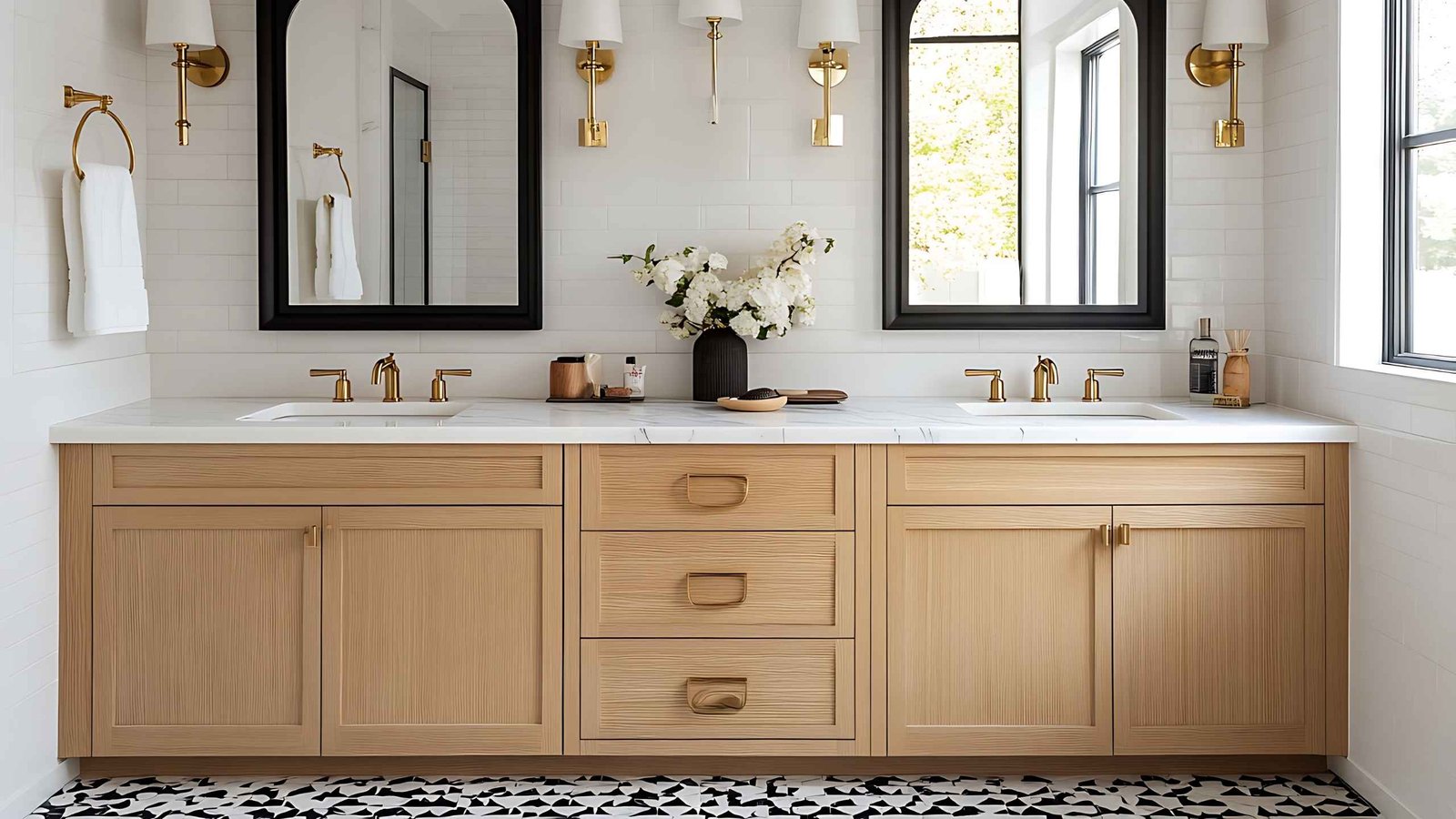
Mosaic tiles are made from small porcelain or ceramic pieces. The extra grout lines increase traction, making them ideal for wet areas. Mosaic tile is commonly used on shower floors. It adds visual interest while improving safety.
7. Pebble Tile
Pebble tile provides a natural, spa-like look and good traction underfoot. It feels comfortable to walk on and works well in shower floors. Maintenance is higher due to grout lines. Pebble tile is best used in specific areas rather than across the entire bathroom.
8. Cement Tile
Cement tiles are known for bold patterns and color. They must be sealed properly to handle water exposure. Cement tile works best as a design feature rather than full-floor coverage. Maintenance requirements should be considered carefully.
9. Luxury Vinyl Tile or Plank
Luxury vinyl products rated for bathrooms offer softness and warmth underfoot. They are water-resistant but not as durable as tile long term. These options work well for budget-conscious upgrades. They are less ideal for heavy-use bathrooms.
10. Engineered Wood or Waterproof Laminate
These materials are designed to resist moisture better than traditional wood. They work best in half baths or low-moisture environments. They are not recommended for full bathrooms with showers. Use caution when considering them in wet spaces.
Installation Tips for Bathroom Flooring
Plan Accurate Flooring Estimates
Accurate measurements prevent delays and overspending. Always account for waste, cuts, and pattern matching. Ordering extra material avoids mismatched batches later. Flooring estimates should reflect the full scope.
Choose the Right Tile Size
Tile size affects installation difficulty and appearance. Smaller tiles adapt better to uneven floors and slopes. Large tiles require a flatter subfloor. Choose size based on the room, not trends.
Prioritize Proper Waterproofing
Waterproofing beneath the tile is critical. Skipping this step leads to rot and mold. Even the best tile fails without proper protection. This step should never be rushed.
Use the Correct Grout and Sealers
Grout type affects durability and cleaning. Sealed grout resists moisture and staining. Proper sealing extends the life of tile installations. This step protects your investment.
Hire an Experienced Installer
Bathroom flooring demands precision. Proper slope, spacing, and waterproofing matter. Experienced installers reduce costly mistakes. This is especially important for curbless showers.
What’s Next for Bathroom Floor Tile Renovation
Choosing bathroom floor tile is about performance, safety, and long-term value. Porcelain, ceramic, marble, and mosaic tiles all serve different purposes depending on the space. The right choice depends on moisture exposure, slip resistance, and how the bathroom is used.
That’s where we step in to help Denver homeowners select and install tile flooring that lasts and looks right for the space. If you are planning a bathroom renovation, a professional consultation with an experienced bathroom remodeling contractor can save time and costly mistakes.
Schedule your free no obligation consultation with Superior today and let us find the best tile floor option for your Colorado home.
Frequently Asked Questions
What Is the Easiest Tile to Maintain in a Bathroom?
Porcelain tile is the easiest to maintain due to its low water absorption and durability. It does not require sealing like natural stone. Routine cleaning keeps it looking new.
Which Is Better, Porcelain or Ceramic Tile for a Bathroom Floor?
Porcelain is denser and more water-resistant, making it better for full bathrooms. Ceramic is suitable for lighter-use spaces. The choice depends on moisture exposure and budget.
What Tile Is Not Slippery in Bathrooms?
Textured porcelain, matte ceramic tiles, and mosaic tiles offer better traction. Smaller tiles with more grout lines reduce slipping. Avoid highly polished surfaces in wet areas.
Which Tile Material Is the Most Durable?
Porcelain tile is among the most durable options for bathroom floors. It resists wear, moisture, and cracking. It performs well in both residential and high-traffic bathrooms.